Isochronic tones: what they're actually good for, and the advantage nobody mentions
What are isochronic tones, and do they work? The pulse train explained, why it drives a cleaner brain response than binaural beats - and why no headphones.
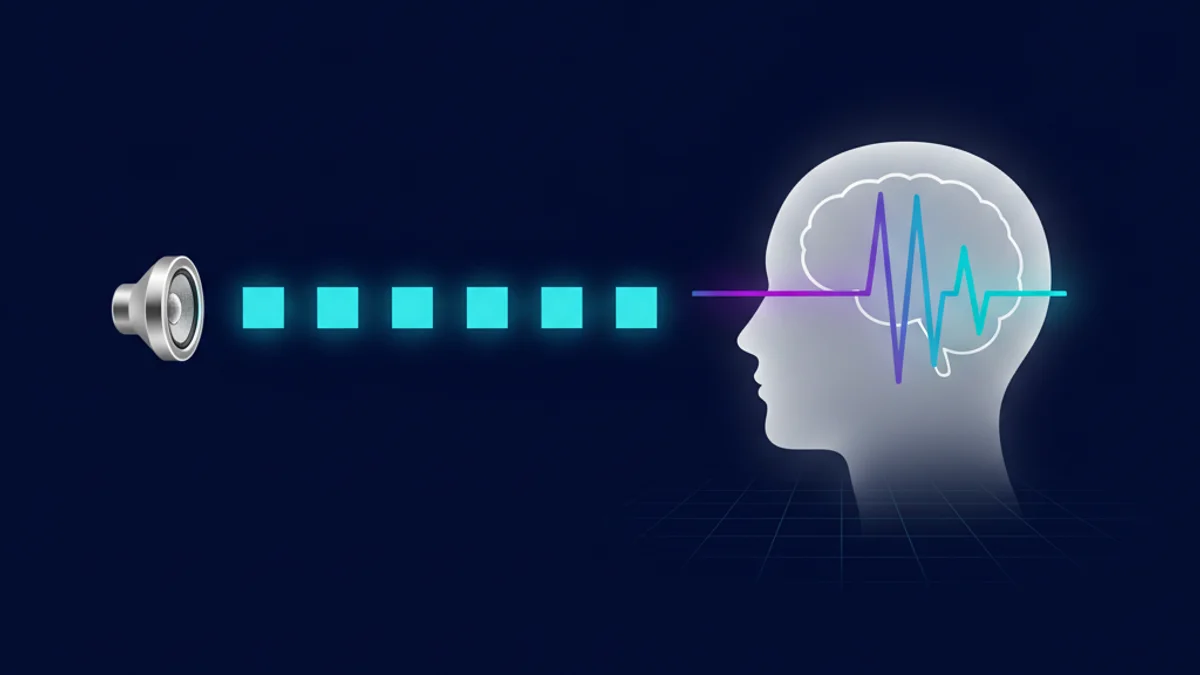
An isochronic tone is a single tone that switches fully on and off at evenly spaced intervals, so what you hear is a steady pulse: ten pulses a second for a 10 Hz tone, forty for a 40 Hz tone. The name comes from the Greek for “equal time”. The idea is that the brain’s own rhythm follows the pulse, a process called brainwave entrainment.
Their documented benefits are modest and specific. There is a measurable rhythmic response in the auditory cortex, and small trials support relaxation and falling asleep faster. They also work through an ordinary speaker. Most guides leave that out, but it is often what decides whether someone keeps using them.
What are isochronic tones?
Isochronic tones are a pulse train: sound, silence, sound, at a fixed rate. Two numbers describe one. The first is the pitch of the tone itself, usually a comfortable mid-range note. The second is the pulse rate, the number of on-off cycles per second. The pulse rate is what drives entrainment, and it is what the “Hz” in “10 Hz isochronic tones” refers to. They sound like a fast, even ticking or throbbing, not like music.
Because the tone really does switch on and off, the rhythm exists in the air before the sound reaches your ear. Nothing has to be constructed inside the head.
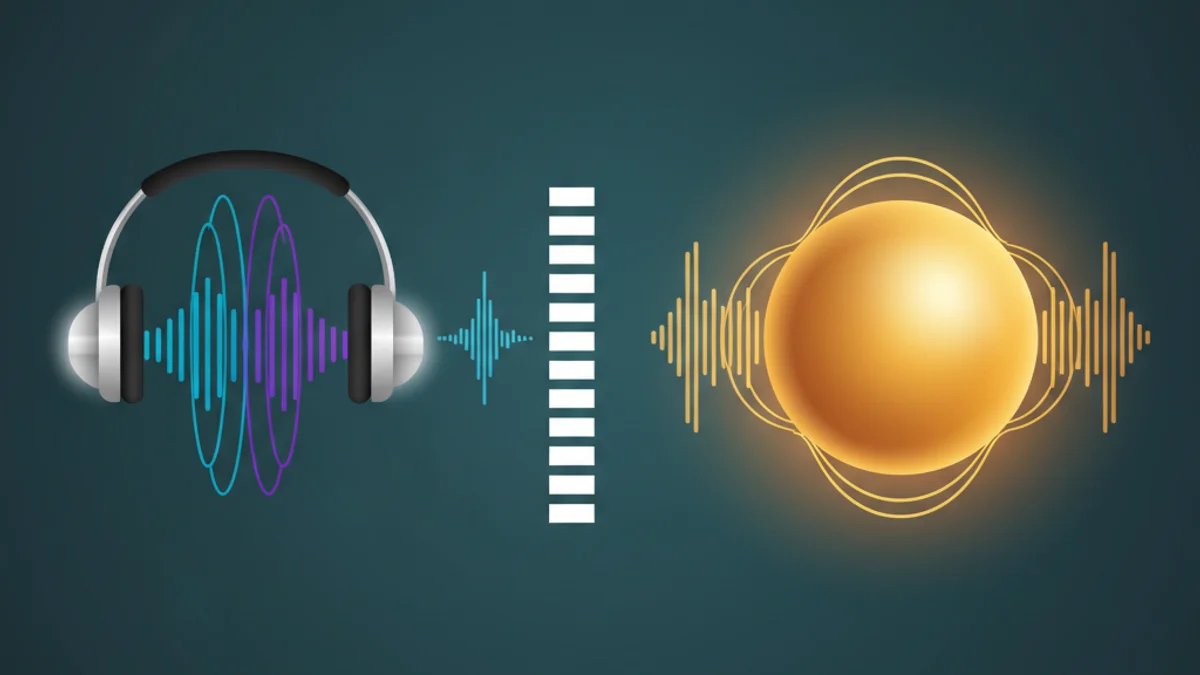
Binaural beats work differently. Each ear gets a slightly different frequency, and the brainstem creates a third, internal beat from the difference. That is why binaural beats need headphones and roughly equal hearing in both ears. Isochronic tones need neither. For the full side-by-side, see binaural beats vs isochronic tones.
Isochronic tone frequencies and what each is used for
The pulse rate is chosen to match one of the brain’s own frequency bands:
| Pulse rate | Brainwave band | Usually used for |
|---|---|---|
| 1-4 Hz | Delta | Winding down at night, deep sleep |
| 4-8 Hz | Theta | Deep relaxation, drowsiness, meditation |
| 8-12 Hz | Alpha | Calm, relaxed alertness, easing stress |
| 13-30 Hz | Beta | Alertness and active focus |
| 30-50 Hz (40 Hz is the most studied) | Gamma | Attention and memory research |
These are the states each band is associated with, not proven outcomes for each rate. The evidence for specific benefits is in the table further down.
Why the pulse produces a cleaner brain response
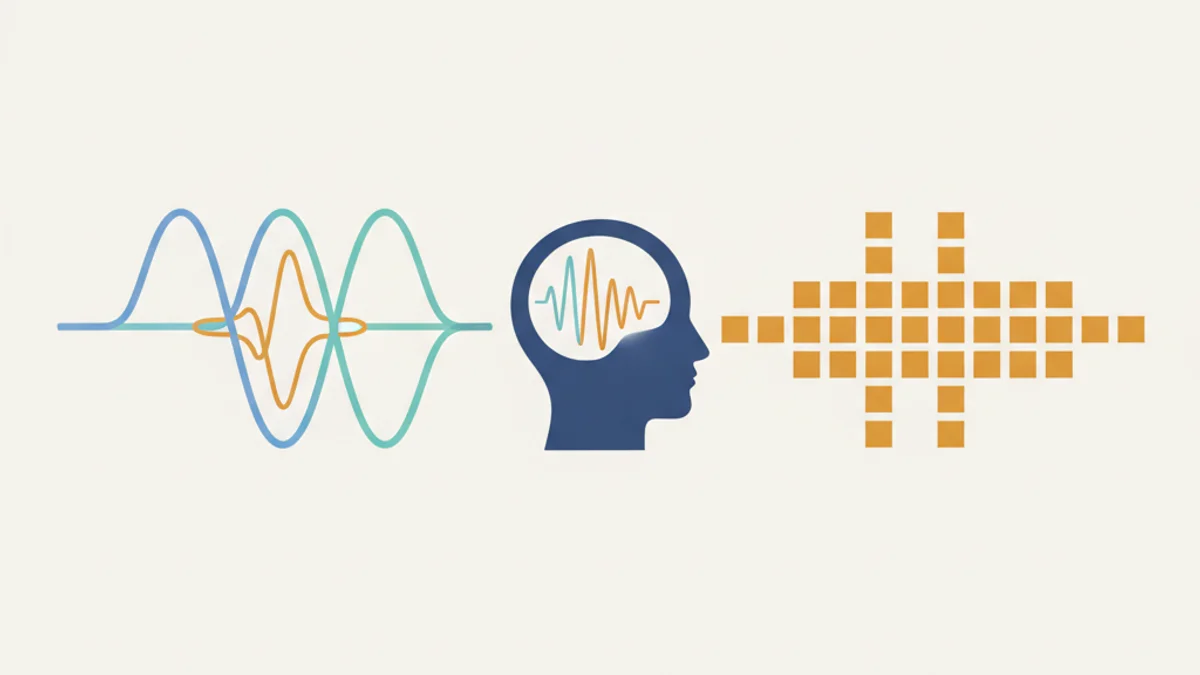
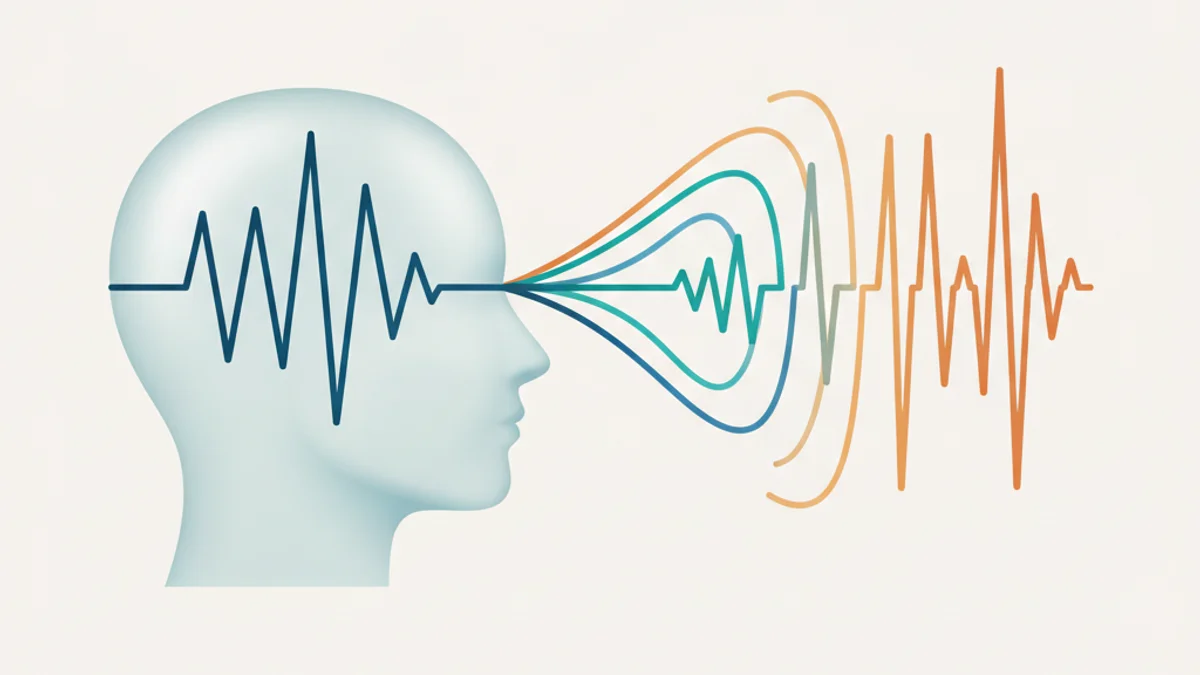
Both methods rely on the same biological process: when a repeating sound pattern reaches the ear, groups of neurons fire in step with it. This is the auditory steady-state response, and it is visible on an EEG.
The sharpness of the edge matters. An isochronic tone is either at full volume or at zero, while a binaural beat rises and falls gradually. The hard edge produces a more distinct response in the cortex. The 2026 Frontiers in Medicine review of 40 Hz sensory therapy describes this process across the gamma range.
A strong EEG response is not the same as feeling better. Entrainment is measurable; the benefit is a separate question.
The advantage nobody mentions: no headphones required
Because the rhythm is physically in the sound waves, isochronic tones work through a speaker. You can lie down with nothing on your head, share a room with someone, or relax for a long stretch without sore ears. With any self-guided method, the biggest obstacle is keeping it up: a technique you use four times a week beats one you drop because your earbuds hurt.
A speaker does have trade-offs. Room noise gets in, and the pulse loses some sharpness as it travels across the room. Headphones still give the cleanest signal; they are just no longer required.
Benefit by benefit: what the evidence supports
| Claimed benefit | Where the evidence stands |
|---|---|
| Relaxation, reduced arousal | There is evidence for combined light and sound. A 2022 randomized controlled trial of an AVE system shows lower scores for anxiety and depression. |
| Sleep onset | Promising. A 2024 Scientific Reports trial of timed acoustic pulses in 21 adults shows the time to fall asleep dropping by 10.5 minutes on average, or 29.3% (p = 0.0019). |
| Focus and attention | Possible, but there is little evidence. Most attention studies use binaural beats instead. |
| Mood or anxiety from audio alone | Not proven: the existing trials use both light and sound. |
The sleep trial does not test isochronic tones on their own. It tests pulses timed to each participant’s own alpha rhythm, so the timing of the pulse may matter as much as its sharpness.
The evidence gap, stated plainly
As of mid-2026 no published study compares isochronic tones from a speaker against binaural beats in humans. The mechanistic argument for a cleaner response is sound, but the head-to-head comparison has not been done. Anyone who says one method is better is going on belief, not data.
Why audio-visual entrainment uses both plus light
Choosing between the two audio methods matters less than it seems, and you don’t have to pick one. Audio-visual entrainment layers rhythmic light onto rhythmic sound. The visual pathway produces a more reliable response than sound alone, and the strongest clinical data in this area comes from the combination.
That is how our own work is built. 6th grew out of a practice office in Zdrave 33 in Sofia. Sessions there pair a stroboscopic lamp with pulsed tones, and EEG is measured for two minutes before and after. The 6th Mind app brings the same combination to your phone. It uses isochronic tones and an optional stroboscopic light from the camera flash or, in headset mode, from the screen filling your whole visual field, in sessions of six or eleven minutes. It is a tool for support and is not a substitute for medical care.
How to use isochronic tones properly
Set the volume so the tones are clearly audible but not intrusive. Listen for eight to twelve minutes rather than two, at the same time every day. Pick the pulse rate for your goal using the frequency table above: slower to relax or sleep, faster for alertness. When nothing seems to happen, the session is usually too short. The isochronic tones page has more on setup.
Frequently asked questions
Do isochronic tones actually work? They produce a consistent rhythmic response in the brain that researchers can measure with EEG. Whether that response leads to better sleep, mood or concentration is less certain. The data is most consistent when the tones are combined with rhythmic light.
What do isochronic tones sound like? A steady, evenly spaced ticking or throbbing of a single note. Slow rates sound like a gentle pulse; fast rates such as 40 Hz blur into a buzz.
Do isochronic tones need headphones? No. The rhythm is in the audio signal itself, so a loudspeaker works. Headphones give a cleaner signal without outside noise, but they are not required.
Are isochronic tones better than binaural beats? The pulses create a more distinct response in the cortex and work without headphones, but nobody has run a direct comparison between the two methods yet. “Better” is a reasonable inference, not a proven result.
Who should avoid them? Audio pulses alone are low risk. Because of the risk of seizures, people with epilepsy or sensitivity to light should not use rhythmic visual stimulation. Anyone with a diagnosed condition affecting the nervous system should consult a physician before using pulsed stimulation.
Sources
- “Light-based 40 Hz sensory therapy for brain disorders: physiological basis, therapeutic mechanisms, and future prospects” - Zhao et al., Frontiers in Medicine, 2026
- “Effects of an audio-visual entrainment system in anxiety-depressive spectrum disorders: a randomized controlled trial” - Pino & La Ragione, 2022
- “A randomized controlled trial of alpha phase-locked auditory stimulation to treat symptoms of sleep onset insomnia” - Bressler et al., Scientific Reports, 2024